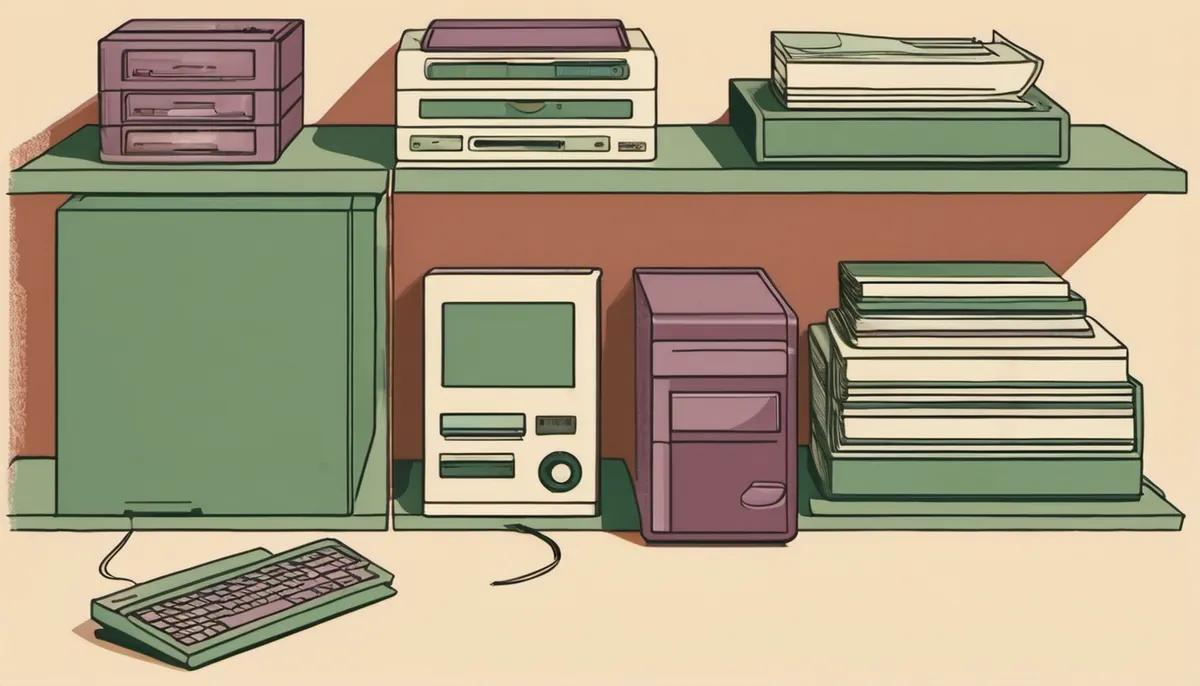
The actual hardware behind all of this
What you will find here
- Every kind of hardware used across these guides, and what each one is for
- Why there are no brand names and no prices
- The three things that cost nothing at all
This is the hardware behind the guides. Each entry leads with what the thing is and why it is the answer, rather than naming a particular model, because the advice has to still make sense after any given product disappears.
Most of it was bought used, borrowed, or was already sitting in a cupboard.
Nobody pays us. The equipment was bought with our own money. There are no affiliate links, no adverts, and this site earns nothing.
There are no prices either, because a made up price is still a lie, and a real price goes out of date within months.
Small computers
- A single board computer. A very small, very low power machine, about the size of a deck of cards. This is the always-on brain for small jobs that need to run day and night.
- A used mini desktop. Cheap power that somebody else has already taken the depreciation on. Often the best value in the whole list.
- Power and cooling. The dull parts that keep everything alive. Worth doing properly once rather than twice.
The machine that runs AI
- A used graphics card. This is the part that makes running AI models on your own machine actually pleasant rather than painful. Second hand is fine.
- More memory. Adding memory is usually the cheapest worthwhile upgrade you can make to any computer.
- The software that runs the model. It loads the model and answers questions on your own machine. Free.
Storage
- A solid state drive. Fast storage for the machine to work from day to day.
- Ordinary spinning hard drives. Cheap bulk storage that you own outright, for everything you are keeping rather than using right now.
- A backup you have actually tested. An untested backup is a hope, not a backup. This one is not optional.
Network
- A router you control. Your rules rather than the rented box your internet provider handed you.
- A managed switch. For when one small network stops being enough and you want to separate things properly.
- A private network between your own machines. Lets you reach your computers from anywhere without opening your home up to strangers.
Radio and working away from home
- A software defined radio. An inexpensive way to listen to the radio signals already passing through the room you are sitting in.
- Batteries and solar panels. For when there is no wall socket.
Making things
- A decent microphone. Good sound is far cheaper than most people expect, and it matters more than picture quality.
- Editing software that runs on your machine. Make things without paying a subscription for the privilege.
The three that cost nothing
- The hardware already in your cupboard. The best machine is the one you have already paid for. An old laptop is a perfectly good start.
- The phone in your pocket. A genuinely capable computer that you are already carrying around.
- Free and open software. The programs, the tools and the knowledge. All of it free, and none of it asking for a card number.
If you take one thing from this page, take that last group. Almost everything on this site can be started with equipment you already own.
This page in the original Kyber Cypher voice: THE KIT